

Key Takeaways
- Understanding self-harm cutting treatment begins with recognizing that self-injury often serves an emotional regulation function and not suicidal intent.
- A psychosocial evaluation is the recommended clinical first step, examining personal, psychological, and environmental factors behind a self-harm episode.
- Stopping self-harm is a process; evidence-based therapies like dialectical behavior therapy (DBT) are associated with reduced self-harm in adolescent controlled trials.
Self-harm affects millions of people across all ages and backgrounds, yet it remains one of the most misunderstood and stigmatized mental health struggles. Understanding how to stop self-harm begins not with judgment, but with compassion and the right medical guidance.
Many people search for self-harm remedies without knowing where to begin or who to trust. Recovery is possible, and it starts with acknowledging that the pain is real and that help is available for those who self-harm, caregivers supporting a loved one, and anyone seeking to understand this condition more deeply.
Therapy is one of the most effective pathways to recovery. Approaches like Cognitive Behavioral Therapy and Dialectical Behavior Therapy help individuals identify emotional triggers, develop healthier coping strategies, and rebuild a sense of control over their thoughts and actions.
Why Do People Engage in Self-Harm Without Suicidal Intent?
Self-injury without suicidal intent has identifiable psychological drivers, and understanding those drivers shapes every aspect of self-harm cutting treatment. According to Frontiers in Psychology, one of the most consistently reported functions of non-suicidal self-injury (NSSI) is emotion regulation. People aren't self-injuring randomly; they're responding to an emotional need that hasn't found another outlet.
NSSI rarely exists on its own. As per the American Psychiatric Association, the DSM-5-TR documents it with specific codes precisely because it so frequently occurs alongside conditions such as major depressive disorder, anxiety, and borderline personality disorder (BPD).
When past experiences play a role, understanding childhood trauma in adults can add meaningful context. This is why therapy for cutting self-injury goes deeper than stopping a behavior. It addresses what that behavior is managing.
"Self-harm is a complex concept and act. There are many factors of why someone would self-harm. For some, self-harm allows for them to 'release' the pent up energy they feel within them. The pain is a release or outlet for this excess energy. For other, it's a way to punish themselves because they feel as if they failed to accomplish something or meet a expectation. When people who self-harm engage in therapy, they are working towards a way to replace this unhealthy behavior of managing their emotions with healthier coping skills to manage their emotions."
- Talkspace Therapist, Minkyung Chung, MS, LMHC
What are the Key Signs and Symptoms of Self-Harm Cutting?
Early recognition of self-injury allows timely intervention and access to care. Cutting is one method of NSSI, alongside other forms of deliberate self-inflicted harm without suicidal intent.
Self-harm signs span physical, emotional, and behavioral patterns, including:
While NSSI and suicidal behavior are clinically distinct, they can happen together. Therefore, any cluster of these signs warrants professional evaluation rather than a wait-and-see approach.
"Self-harm is a dangerous behavior to gamble with. The most common form is cutting and those engaging in cutting are very calculated about where they cut. Usually, loved ones don't realize that a person has been cutting until it is found out accidently. So it's important to seek mental health professionals immediately to address the situation and work through the reasons for self-harm."
- Talkspace Therapist, Minkyung Chung, MS, LMHC
How do Professionals Diagnose Self-Injury and Cutting Behaviors?
There are no blood tests or scans for NSSI. Diagnosis is built through clinical conversation and psychological evaluation. NSSI disorder remains a "condition for further study" rather than a fully established standalone diagnosis, meaning clinicians document it carefully within a broader clinical picture.
A clinical evaluation for self-harm typically explores:
- Frequency and methods of self-injury
- Emotional triggers and the context surrounding episodes
- Presence or absence of suicidal ideation
- Co-occurring mental health conditions
- Social and environmental factors
Being as honest as possible during assessment, even about details that feel difficult to share, gives clinicians the clearest picture. Bringing a trusted support person is also a reasonable option.
What Evidence-Based Treatments Can Help Stop Self-Harm Cutting?
Knowing how to stop self-harm means matching the right care to the right person. Most effective treatment plans center on therapy, and some include additional support for co-occurring conditions.
Psychotherapy options (CBT, DBT, MBT)
Therapy for cutting self-injury is the primary evidence-based approach. Dialectical behavior therapy (DBT) is the most studied, teaching skills in emotion regulation, distress tolerance, and interpersonal effectiveness.
According to a Psychological Medicine study, DBT-A was more effective than control conditions in reducing self-harm and suicidal ideation among adolescents. Earlier evidence was drawn largely from adult outpatients with Borderline Personality Disorder (BPD), so treatment fit may vary by age group and setting.
Cognitive Behavioral Therapy (CBT) and Mentalization-Based Therapy (MBT) are approaches used in adolescent self-harm interventions. CBT targets the connections between thoughts, emotions, and behaviors, while MBT enhances the ability to understand one’s own and others’ mental states—both crucial for addressing emotion regulation challenges.
Medication and co-occurring condition management
No mental health medication directly treats NSSI. Medications may be used under a psychiatric provider's supervision to address co-occurring conditions, like depression or anxiety, that contribute to the distressing emotional states associated with self-harm urges. A licensed psychiatric provider can decide which medication should be included in an individual care plan.
Inpatient, outpatient, and crisis resources
The level of care needed depends on the level of risk. For many people, outpatient therapy is a strong and effective starting point. When more structure is needed, intensive outpatient or partial hospitalization programs can provide additional support while still allowing daily life to continue.
In situations where safety is an immediate concern, emergency evaluation and inpatient care offer the stabilization and close monitoring that help keep someone safe. Regardless of where someone is in that spectrum, help is always within reach. The 988 Suicide and Crisis Lifeline is available 24/7 by call, text, or chat, with no appointment or cost required.
Safety planning and relapse prevention
A safety plan is a practical tool for high-risk moments: it typically involves identifying personal triggers, reducing access to means, and naming specific contacts to reach before acting on an urge.
Building this with a therapist makes it more useful than a generic list. For those whose self-harm is connected to past experiences, learning to deal with trauma is often part of longer-term relapse prevention.
Which Self-Help Strategies and Coping Skills Reduce Self-Harm Urges?
Self-harm remedies are most effective when they complement professional self-harm cutting treatment, not replace it. Having concrete tools available between therapy sessions still matters.
Self-harm often functions as emotion regulation; therefore, effective self-harm remedies tend to address that same need through safer alternatives, including:
- Sensory substitution: Holding ice or splashing cold water can create physical sensation without injury.
- Creative outlets: Writing, drawing, or music can offer an expressive release for feelings that are hard to put into words.
- Physical movement: Activity can help discharge built-up emotional tension.
- Slow breathing or mindfulness: Creating a pause during an urge puts space between the feeling and a response.
For people ready to take a structured next step, online therapy connects you with licensed therapists who can help build these skills in a more personalised, ongoing way.
How Can Family and Friends Provide Effective Support?
Supporting someone through self-harm cutting treatment doesn't require having all the answers. What it requires is showing up in ways that open doors rather than close them.
What helps:
- Listening without rushing to fix. Feeling truly heard often matters more than advice.
- Expressing concern calmly and without ultimatums or anger.
- Encouraging professional evaluation and offering to help find a licensed therapist.
- Learning about NSSI to reduce fear-based reactions and stigma.
- Tending to your own mental health, as this kind of support is emotionally demanding work.
What doesn't help:
- Dismissing self-harm as attention-seeking.
- Reacting with shock, disgust, or anger.
- Removing all privacy without open conversation.
- Making promises about confidentiality that you may not be able to keep.
When relationship trauma or difficult family dynamics are contributing factors, addressing them with a therapist as part of the broader care plan can help.
Talkspace Therapy Support for Self-Harm Recovery
Developing healthier emotional outlets requires consistent support and appropriate care, making access to that care essential. Many people find it easier to stay engaged in therapy when it fits their actual life, not just their schedule.
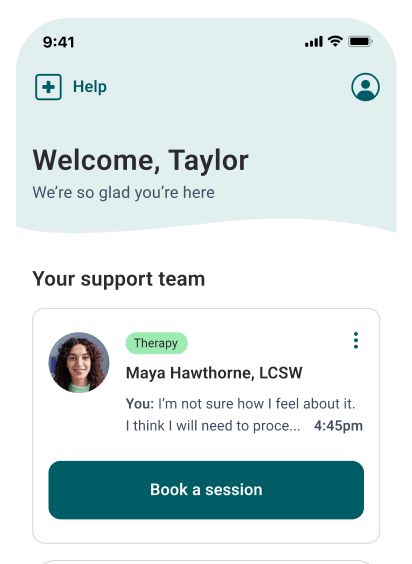
Talkspace connects members with licensed therapists experienced in emotional regulation, trauma, and coping skill development. It offers message-based therapy, live video sessions, and audio sessions on a secure, confidential platform, so getting started doesn’t require an in-person visit or a long wait. Start your journey toward healthier emotional outlets today and Cconnect with a licensed Talkspace therapist to get support that fits your life.
Frequently Asked Questions
Can self-harm cutting become an addiction?
Yes, self-harm cutting can develop patterns similar to addiction. Repeated self-injury may create a temporary relief from emotional distress, reinforcing the behavior and making it difficult to stop without support or intervention.
Is scratching or picking considered self-harm?
Yes, scratching or picking can be considered forms of non-suicidal self-injury (NSSI) if they are deliberate acts intended to cause harm to oneself, often to cope with emotional distress. The key factor is intentionality, not the severity of the injury.
How long does therapy for self-harm cutting usually take?
The duration of therapy for self-harm cutting varies depending on the individual’s needs, severity, and underlying issues. Typically, short-term therapy can last a few months, focusing on coping skills and emotion regulation, while longer-term therapy may extend for a year or more to address deeper psychological patterns and maintain lasting change.
Will scars from self-harm cutting ever heal?
Yes, scars from self-harm cutting can heal. Superficial cuts may fade, while deeper cuts can leave lasting marks, though treatments like creams, silicone sheets, or laser therapy can help reduce their appearance.
What should I do if I relapse into self-harm cutting?
If you relapse into self-harm cutting, stay safe and reach out for support immediately. Contact a trusted therapist, counselor, or crisis line, and let someone you trust know what’s happening. Focus on grounding techniques, removing immediate means of harm, and scheduling a professional check-in as soon as possible.
Sources:
- Cipriano A, Cella S, Cotrufo P. Nonsuicidal self-injury: a systematic review. Frontiers in Psychology. https://pmc.ncbi.nlm.nih.gov/articles/PMC5682335/. 2017 November 8; 8(1946). Accessed March 14, 2026.
- American Psychiatric Association. Suicidal behavior and nonsuicidal self-injury. Diagnostic and Statistical Manual of Mental Disorders, Fifth Edition, Text Revision (DSM-5-TR). https://www.psychiatry.org/File%20Library/Psychiatrists/Practice/DSM/DSM-5-TR/APA-DSM5TR-SuicidalBehaviorandNonsuicidalSelfInjury.pdf. 2022. Accessed March 14, 2026.
- Kothgassner OD, Goreis A, Robinson K, Huscsava MM, Schmahl C, Plener PL. Efficacy of dialectical behavior therapy for adolescent self-harm and suicidal ideation: a systematic review and meta-analysis. Psychological Medicine. https://pmc.ncbi.nlm.nih.gov/articles/PMC8188531/. 2021 April 20; 51(7): 1057–1067. Accessed March 14, 2026.
Talkspace articles are written by experienced mental health-wellness contributors; they are grounded in scientific research and evidence-based practices. Articles are extensively reviewed by our team of clinical experts (therapists and psychiatrists of various specialties) to ensure content is accurate and on par with current industry standards.
Our goal at Talkspace is to provide the most up-to-date, valuable, and objective information on mental health-related topics in order to help readers make informed decisions.
Articles contain trusted third-party sources that are either directly linked to in the text or listed at the bottom to take readers directly to the source.