

Key Takeaways
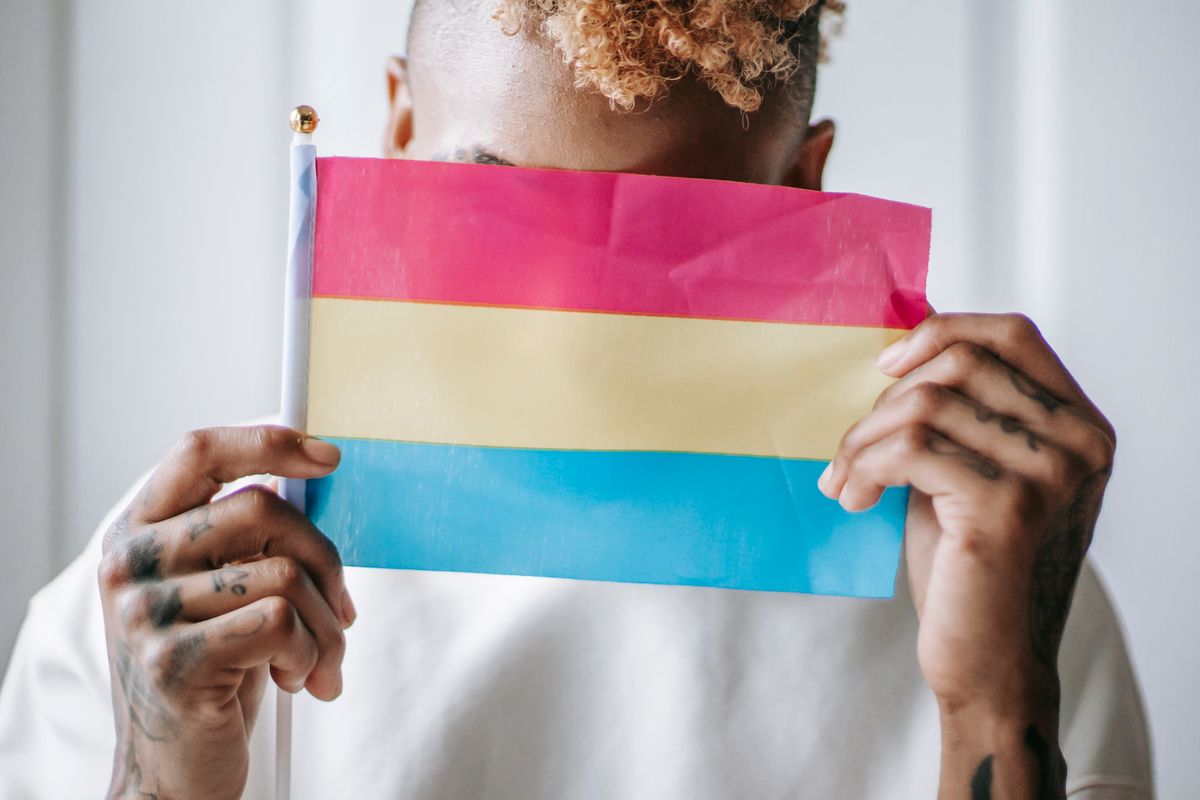
- Pansexuality is an attraction to people regardless of gender identity, with "pan" meaning "all" in Greek.
- Pansexual individuals can experience attraction to people of any gender: male, female, non-binary, genderfluid, or agender.
- While bisexuality means attraction to more than one gender, pansexuality emphasizes gender-blind attraction.
Understanding pansexuality can feel confusing at first, especially as language around identity and sexuality continues to evolve. Pansexuality refers to attraction to people regardless of gender identity, reflecting the concept that sexual orientation exists on a spectrum rather than within fixed categories.
For some, learning what pansexuality means is part of making sense of their own experiences. For others, it’s about showing up with more awareness for someone else’s identity. Either way, understanding this term helps build clearer, more inclusive conversations. At its core, pansexuality centers on connection with a person, not their gender.
Defining Pansexuality: Core Meaning and Characteristics
Pansexuality is sexual, romantic, or emotional attraction to people regardless of their gender identity or biological sex. The prefix "pan" derives from the Greek word meaning "all," signaling attraction that spans the entire gender spectrum.
According to GLAAD, pansexual people have "the capacity to form enduring physical, romantic, and/or emotional attractions to any person, regardless of gender identity. This means pansexual individuals may experience attraction to people who identify as male, female, non-binary, genderfluid, agender, or any other gender identity.
What distinguishes pansexuality is that attraction is based on individual connection rather than gender-specific preferences. Research published in The Journal of Sex Research found that individuals who adopt pansexual identities were younger than those identifying as lesbian, gay, or bisexual, and were more likely to be non-cisgender.
"Discussing someone's pansexual identity respectfully involves a combination of using accurate language and following their lead on how they choose to describe themselves. The most important rule is to use the specific terminology the individual uses for themselves. If they prefer "pansexual," do not substitute it with "bisexual" or "fluid." Understand that pansexuality is often defined as being "gender-blind" in attraction, where gender is not a determining factor. Validating this specific distinction shows that you respect the unique nature of their identity. If you use the wrong term, the most respectful response is to offer a brief apology, correct yourself, and move on with the conversation. Centering the conversation on your own guilt can often make the other person feel responsible for comforting you."
- Talkspace Therapist, Reshawna Chapple, PhD, LCSW
Understanding the gender spectrum context
Pansexuality reflects a broader understanding of gender as a spectrum rather than a strict binary. Gender identity refers to a person’s internal sense of their gender, while biological sex relates to physical characteristics assigned at birth.
The gender spectrum includes people who identify within traditional categories, outside them, or across multiple identities. According to The Trevor Project, pansexuality acknowledges this full range, with pansexual people capable of experiencing attraction across all points on the spectrum.
Pansexuality vs. Bisexuality: Understanding the Distinction
One of the most common questions about pansexuality centers on how it differs from bisexuality. Both identities are valid, and some people use the terms interchangeably, while others distinguish based on personal experience.
According to the Human Rights Campaign, bisexuality describes "a person emotionally, romantically or sexually attracted to more than one gender, though not necessarily simultaneously, in the same way or to the same degree."
Pansexuality emphasizes the "regardless of gender" aspect. Research published in The Journal of Sex Research found that pansexual participants were younger and more likely to be gender diverse than bisexual participants, suggesting these identities may resonate differently across demographics.
Why the distinction matters for self-identification
Choosing the label that resonates the most helps individuals express their orientation authentically and supports positive LGBTQ mental health by validating their identity. Some people resonate with 'pansexual' because it explicitly communicates that gender isn’t a limiting factor, while others prefer 'bisexual' for its historical significance in the LGBTQ+ community, and neither term is more valid than the other.
Overlapping experiences and shared community
Pansexual and bisexual individuals often share experiences of attraction beyond a single gender, and many people participate in overlapping communities and advocacy spaces under the broader “bi+” umbrella. Both communities face similar challenges related to visibility and acceptance, too, including LGBTQ+ bullying and invalidation.
Research published in Psychology of Sexual Orientation and Gender Diversity (2019) shows that both groups may experience similar mental health challenges, including higher rates of anxiety and depression compared to heterosexual individuals.
How Pansexuality Relates to Other Sexual Orientations
Sexual orientation describes patterns of attraction, and pansexuality exists alongside other orientations such as heterosexuality (attraction to a different gender), homosexuality (same gender), bisexuality (more than one gender), and asexuality (limited or no sexual attraction). Each orientation reflects a different relationship to gender in attraction; none is more valid than another.
Pansexuality and omnisexuality
Pansexuality and omnisexuality are sometimes used interchangeably, but they can differ slightly. According to the American Psychological Association, omnisexuality describes attraction to all genders while still recognizing gender differences. Pansexuality, by contrast, is often described as gender-blind attraction, where gender is not a defining factor.
Pansexuality within the LGBTQ+ community
Pansexuality is an important part of the LGBTQ+ community, and increased visibility in recent years reflects better language for experiences that have long existed. Research from The Trevor Project (2021) found that 12% of LGBTQ+ youth identify with labels beyond traditional categories, including pansexual, highlighting evolving identity language.
Common Misconceptions About Pansexuality
Despite growing awareness, pansexuality is still widely misunderstood and often clouded by myths. Clarifying these misconceptions helps foster respect, inclusivity, and a deeper understanding of pansexual identities.
"Doesn't pansexual mean you're attracted to everyone?"
Being pansexual means having the capacity for attraction across all genders, not universal attraction to every person regardless of personal compatibility or chemistry. Just as a heterosexual woman isn't attracted to every man, a pansexual person isn't attracted to everyone. Personal compatibility, emotional connection, and individual attraction determine whether feelings develop.
"Is pansexuality just a trend?"
Pansexuality is not a trend or temporary identity. While increased visibility has potentially made the term more familiar, the experiences it describes have always existed. Pansexual identity reflects genuine patterns of attraction and represents a valid sexual orientation.
“Is pansexuality the same as polyamory?”
Pansexuality describes who someone is attracted to, while polyamory refers to relationship structure. A pansexual person may prefer monogamy or non-monogamy, just like anyone else.
Recognizing Pansexual Identity in Yourself
If you're questioning your sexuality, exploring whether you might identify as pansexual is normal. Many pansexual individuals explain that gender is not the main factor in their attraction, and that labels like gay, straight, or bisexual often fail to describe their experience fully.
Your relationship history doesn't define whether you can identify as pansexual. You don't need to have dated people of multiple genders to know your capacity for attraction isn't limited by gender.
Questions to consider for self-reflection
Exploring your sexual orientation is deeply personal, but these questions might help:
- When you think about people you've been attracted to, does gender seem to be a common factor, or does attraction develop based on other qualities?
- Can you imagine being attracted to people of any gender identity?
- Does "gender-blind" attraction resonate with your experience?
- Which label — pansexual, bisexual, queer, or something else — feels most accurate?
When to seek support during identity exploration
Consider connecting with an LGBTQ+ affirming counselor when you're experiencing significant distress, need support navigating coming out, dealing with discrimination, or want professional guidance. Seeking support is a healthy way to process important aspects of your identity.
Communicating About Pansexuality Respectfully
Respectful communication starts with using accurate and affirming language. It also means listening to how individuals describe their own identities and honoring that language. Avoid assumptions and focus on understanding rather than labeling.
"The most important practice is to use the terminology or 'label' the individual uses for themselves. If a person identifies as pansexual, do not substitute it with terms such as "bisexual" or "fluid" unless they indicate those terms also apply. Pansexuality often means that gender is not a determining factor in attraction. Validating this distinction shows respect for the unique nature of their identity. Avoid questing their identity or reasoning for being pansexual. Center your conversations on connection and understanding rather than labeling or categorizing."
- Talkspace Therapist, Reshawna Chapple, PhD, LCSW
Supporting someone who comes out as pansexual
When someone shares their pansexual identity, thank them for trusting you, ask how you can support them, avoid making it about your learning process, don't ask invasive questions, and use their chosen terminology. Respect their identity by not dismissing it as a phase or making jokes about it.
Language to use and avoid
Use respectful language: "Pansexual," "attraction regardless of gender," "gender-blind attraction," "part of the LGBTQ+ community."
Avoid dismissive language: "Confused," "going through a phase," "attracted to everyone," "that's just bisexuality."
Finding Community and Resources
- The Trevor Project provides crisis intervention and educational resources (1-866-488-7386).
- GLAAD offers media advocacy and definitions.
- Human Rights Campaign provides support resources.
- Bisexual Resource Center offers resources for people attracted to more than one gender.
Online communities and affirming providers can also help you explore identity in a supportive environment.
Explore Your Identity with Talkspace At Your Own Pace
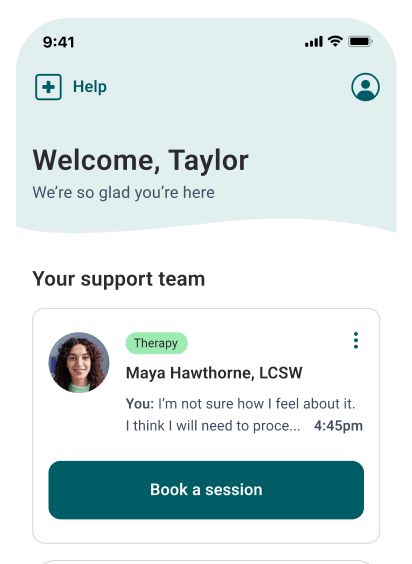
Exploring your identity can take time, and having the right support can make that process feel more grounded and affirming. Talkspace connects you with licensed therapists who understand identity exploration and offer a space where you can talk openly, without pressure or judgment.
If you’re questioning your sexual orientation or simply looking to better understand your experiences, working with a therapist can help you reflect, build confidence, and navigate conversations with others. You can connect through messaging, video, or audio sessions, depending on what feels most comfortable.
Learn more about online therapy and find support that meets you where you are.
Frequently Asked Questions (FAQs)
What does pansexual mean in simple terms?
Being pansexual means being attracted to people regardless of their gender identity. Pansexual individuals can experience romantic, emotional, or sexual attraction to people of any gender without gender being a determining factor.
What is pansexual vs. bisexual?
Bisexuality generally refers to attraction to two or more genders, often understood as men and women. Pansexuality describes attraction to people regardless of their gender, emphasizing that gender is not a determining factor in who they are drawn to.
Can someone be pansexual and in a monogamous relationship?
Yes, a pansexual person can be in a monogamous relationship, just like anyone else. Being pansexual describes who they are attracted to, not their relationship structure or commitment.
How do I know if I am pansexual?
You might identify as pansexual if you feel attraction to people regardless of their gender and find that traditional labels like gay, straight, or bisexual don’t fully capture your experiences. Exploring your feelings, reflecting on who you’re drawn to, and giving yourself space to understand your attractions can help clarify your identity.
Is pansexuality a real and valid sexual orientation?
Yes, pansexuality is a real and valid sexual orientation recognized within LGBTQ+ communities and by many mental health and educational organizations. It reflects a genuine experience of attraction to people regardless of their gender and deserves the same respect and understanding as any other orientation.
Sources
- GLAAD. GLAAD Media Reference Guide - Terms To Avoid. https://glaad.org/reference/terms/. Accessed April 14, 2026.
- Morandini JS, Blaszczynski A, Dar-Nimrod I. Who Adopts Queer and Pansexual Sexual Identities? J Sex Res. https://www.tandfonline.com/doi/full/10.1080/00224499.2016.1249332 Published 2017; 54(7): 911-922. Accessed April 14, 2026.
- The Trevor Project. Pansexuality: What It is, What It Isn't. https://www.thetrevorproject.org/blog/pansexuality-what-it-is-what-it-isnt/. Published May 23, 2023. Accessed April 14, 2026.
- Human Rights Campaign. Glossary of Terms. https://www.hrc.org/resources/glossary-of-terms. Accessed April 14, 2026.
- Greaves LM, Sibley CG, Fraser G, Barlow FK. Comparing Pansexual- and Bisexual-Identified Participants on Demographics, Psychological Well-Being, and Political Ideology in a New Zealand National Sample. J Sex Res. https://pubmed.ncbi.nlm.nih.gov/30724611/. Published 2019; 56(9): 1083-1090. Accessed April 14, 2026.
- Borgogna NC, McDermott RC, Aita SL, Kridel MM. Anxiety and depression across gender and sexual minorities: Implications for transgender, gender nonconforming, pansexual, demisexual, asexual, queer, and questioning individuals. Psychol Sex Orientat Gend Divers. https://psycnet.apa.org/doiLanding?doi=10.1037%2Fsgd0000306. Published 2019; 6(1): 54-63. Accessed April 14, 2026.
- American Psychological Association. A Guide to Sexual Orientation and Gender Diversity Terms. https://www.apa.org/ed/precollege/psychology-teacher-network/introductory-psychology/diversity-terms. Published May 23, 2022. Accessed April 14, 2026.
- The Trevor Project. Research Brief: Diversity of Youth Sexual Orientation. https://www.thetrevorproject.org/wp-content/uploads/2021/08/Trevor-Project-Sexual-Orientation-Research-Brief_September.pdf. Published 2021.
Talkspace articles are written by experienced mental health-wellness contributors; they are grounded in scientific research and evidence-based practices. Articles are extensively reviewed by our team of clinical experts (therapists and psychiatrists of various specialties) to ensure content is accurate and on par with current industry standards.
Our goal at Talkspace is to provide the most up-to-date, valuable, and objective information on mental health-related topics in order to help readers make informed decisions. Articles contain trusted third-party sources that are either directly linked to in the text or listed at the bottom to take readers directly to the source.