


Key Takeaways
- Online therapy can reduce location and transportation barriers, giving you more ways to access mental health care.
- Online therapy benefits include convenience, flexibility, provider choice, comfort, and different ways to communicate with your therapist.
- Remote psychotherapy can be comparable to in-person care for some common concerns, but virtual therapy isn't the right fit for every situation.
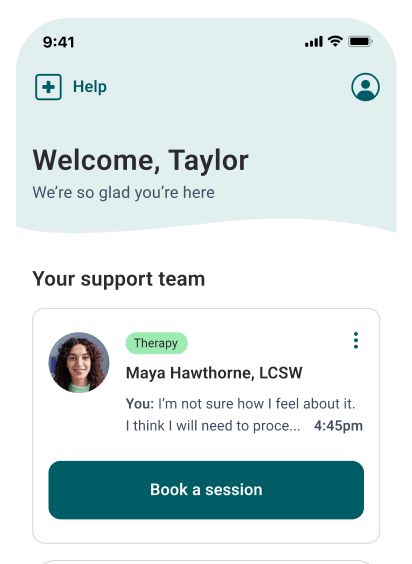
Wondering if online therapy is right for you? Also known as teletherapy, online therapy lets you connect with a licensed mental health professional through the internet, often from the comfort and privacy of your own home. Depending on the platform and your plan, you may be able to meet with your therapist through live video, audio, live chat, or ongoing messaging.
For many people, this flexibility can make it easier to fit therapy into everyday life. But convenience isn't the only factor to consider. Your mental health needs, communication preferences, access to technology, privacy, schedule, and the level of care you need can all help determine whether virtual therapy is a good fit. If you're considering online therapy, keep reading to explore its potential benefits and drawbacks, then use the five-question quiz to decide whether it may work for you.
What Makes Online Therapy Different from In-Person Sessions?
There are many reasons to go to therapy, whether in person or online. However, online therapy differs from traditional office visits in several ways. You can access care without commuting, waiting rooms, or rigid scheduling, and sessions can take place from home or another private setting with a reliable internet connection. The format can also give you more flexibility in how you communicate with your therapist. Depending on the platform and your plan, you may be able to choose video sessions, messaging, audio, or a combination based on what works for you.
"Online therapy has increased access to care for many people while at the same time making therapy more convenient. Being able to readily access a licensed mental health professional in a convenient way has also decreased the stigma of reaching out for support."
- Talkspace therapist Jill Daino, LCSW-R, BC-TMH
Let's explore some of the most notable benefits of teletherapy and why virtual care is a useful option for people seeking flexibility, convenience, or greater access.
Remote therapy lets you access care from where you are
According to Mental Health America, access to mental health care remains a challenge for millions of people in the U.S. The organization's 2025 report found that 25% of adults with any mental illness reported an unmet need for mental health treatment in 2022 and 2023. This can be especially relevant if you live in a rural or remote area, don't have reliable transportation, travel frequently for work, have limited time, or face other barriers to consistent care.
One of the most significant advantages of online therapy sessions is that access to treatment isn't limited by location. As long as you have reliable internet, you can talk to a therapist from home, or anywhere you happen to be. It's no longer necessary to get to an office at a specific time or on a particular day for an in-person therapy appointment. Online telehealth services have made therapy far more accessible than it's ever been in the past.
Patients have access to a wide range of mental health professionals
Online counseling also gives you access to a broader range of providers. Instead of choosing someone based largely on location, you may be able to find a therapist online who's a good fit for your specific needs. Many therapists offer specialized treatments, including types of CBT (cognitive behavioral therapy) and many other treatments that identify and address problematic or unhealthy thought and behavior patterns. Most have a specific area of focus, like treating trauma or post-traumatic stress disorder (PTSD).
It's accessible for people with physical limitations
Those who have a disability, are housebound, or have other physical limitations often find it difficult to access mental health care. Teletherapy allows you to receive mental health care without leaving your home. In short, online therapy platforms can help people with special accommodations to reach their therapy goals in ways that have been impossible in the past.
Online therapy can be more affordable than in-person care
Cost and ability to pay are common concerns why people can’t afford therapy. In addition to therapy cost, paying for things like gas or childcare can make getting to therapy even more expensive. One of the most significant benefits of virtual therapy is that it tends to be more affordable than in-person care. This is especially helpful if you’re seeking therapy without insurance.
It's very convenient
When you have a lot on your plate, even just finding the time for therapy can feel overwhelming. However, one of the main benefits of online therapy is that sessions can take place conveniently at home. With virtual therapy, you don't have to worry about finding parking, taking extra time out of your day, dealing with traffic, or driving to appointments. It's suddenly much easier to fit therapy into a hectic schedule.
Ability to schedule more sessions
When you have to travel to appointments or take time off work to see a therapist, you may not be able to schedule as many sessions as you'd like. Since online therapy is so flexible and convenient, it might be possible to schedule additional sessions. Illness, bad weather, and other unexpected obstacles can also make it necessary to cancel appointments. One of the benefits of online counseling sessions is that, barring a significant illness, you'll never have to miss an appointment due to unforeseen obstacles like these.
Many people feel more comfortable with virtual therapy
Therapy can be intimidating. Being vulnerable or sharing your fears and concerns isn't always easy. Doing these things in a strange or unfamiliar environment can be even more daunting. If you're living with anxiety – especially if you're anxious about starting therapy – the process might be easier in a space that you're comfortable in. One of the major advantages of online therapy is that you have control over your environment. Whether you want to curl up under a blanket on the couch or talk to your therapist in bed, you're more likely to be able to put yourself at ease during online or virtual sessions.
You can do things on your own terms
Online therapy can also make mental health care feel more accessible, helping people get the support they need with greater ease and flexibility. It offers more control over the therapy process. When you use online therapy, you’re free to talk to a therapist on your schedule and in the way that you find most comfortable.
"One of the many benefits of online therapy is that it can be used in a variety of modalities that allow for clients to use it in ways that best suit them, which increases therapy's effectiveness. For example, some clients use messaging-based therapy, writing to their therapist each week, while others use video sessions or a combination of both. This flexibility creates opportunities for clients to work with their therapist in whatever manner is most comfortable and effective for them."
- Talkspace therapist Jill Daino, LCSW-R, BC-TMH
If you find texting easier than talking, you can opt for messaging services over video appointments. Since you'll have many online options, you can choose a provider you're comfortable with rather than a person who's just closer to you in proximity. One of the most significant benefits of teletherapy is that you can receive care in a way that feels safe, convenient, and effective for you.
Who Can Benefit Most from Online Therapy?
Online therapy works for many people, but certain circumstances make virtual care particularly helpful. If you recognize yourself in any of these situations, teletherapy might be an ideal fit.
- Busy professionals juggling demanding work schedules often struggle to fit traditional therapy into their days. Virtual sessions eliminate commute time and can happen during lunch breaks or early mornings. You control the timing without sacrificing career commitments.
- Rural residents face limited local provider options. Online therapy expands your choices beyond geographic boundaries. You can work with specialists who understand your specific challenges, even if they practice states away.
- Parents and caregivers managing children or family responsibilities find teletherapy easier to maintain. No childcare arrangements needed. You can attend sessions while kids nap or after bedtime without leaving home.
- People with mobility limitations or chronic health conditions benefit from care that doesn't require travel. Virtual sessions reduce physical strain and make consistent treatment more sustainable. You can prioritize your mental health without compromising your physical well-being.
- Those new to therapy sometimes feel less intimidated starting in a familiar environment. The comfort of your own space can make opening up feel safer. You're more likely to follow through when the barrier to entry feels manageable.
When Might Online Therapy Not Be the Best Fit
Online therapy isn't the right fit for everyone, and that's okay. While it offers many benefits, there are a few potential drawbacks to consider. Some are real limitations, and others are concerns that may not be as big of a deal as they seem. Here's a closer look:
It can feel less personal for some
Talking to a therapist through a screen or over text might feel awkward or disconnected at first. That said, many people find it easier to open up from the comfort of home. A strong therapist-client connection is possible in any format. In fact, it often depends more on the therapist's style and your personal preferences than the platform itself.
Requires a stable internet connection
This is a real concern. Online therapy depends on having a decent internet connection and some comfort with technology. However, you don't need to be tech-savvy. Most platforms are designed to be simple to use, and many offer phone-based sessions as a reliable alternative when Wi-Fi isn't cooperating or is unavailable.
Not ideal for every mental health need
Online therapy isn't always recommended for people in crisis or those dealing with certain severe conditions that require close monitoring. However, for many common mental health conditions — including anxiety, depression, OCD, and ADHD — as well as issues like stress, grief, or relationship challenges, virtual therapy can be just as effective as in-person care, especially when it's part of a comprehensive support plan.
Limited by licensing rules
Therapists can typically provide services to people located in states where they're licensed. That means your pool of available providers might be smaller than you expect, but most online therapy platforms take this into account and are set up to match you with a variety of qualified therapists based on your location and needs.
How to Evaluate if Online Therapy Matches Your Needs
Before deciding if online therapy is right for you, consider both the research and your personal circumstances. Virtual therapy works and can be effective for many people, but the best format depends on what you need from treatment and what makes it easier for you to participate consistently.
Research on remote psychotherapy published in Healthcare supports its use for several common mental health concerns. A feasibility study of asynchronous text psychotherapy published in Telemedicine and e-Health also found high participant satisfaction with the effectiveness, affordability, and convenience of the treatment.
More recent research has looked specifically at different ways of delivering online therapy. In a 2025 JAMA Network Open randomized clinical trial of 850 adults with depression, message-based psychotherapy and weekly video-based psychotherapy produced similar improvements in depression and social functioning over 12 weeks, with nearly identical response rates.
So, is virtual therapy effective for your specific situation? Ask yourself the following to get the best out of online therapy:
- Do you have reliable internet or phone access? You’ll need a stable connection and a private space for sessions.
- Do you prefer flexibility over face-to-face interaction? Consider whether remote care feels more comfortable than in-person visits.
- Are you dealing with common mental health challenges? Online therapy can help with issues like anxiety, depression, stress, grief, and relationship concerns, but more intensive needs may require in-person care.
- Does scheduling feel like a barrier? Virtual sessions can reduce obstacles like commuting, childcare, or work conflicts.
- Are you comfortable with video or written communication? Therapy may involve messaging, video, or audio depending on the platform.
If most of these feel like a fit, online therapy may be worth exploring. A licensed mental health professional can help you determine whether virtual care is appropriate for your specific needs.
How Talkspace Stands Out as an Online Therapy Platform
If you're looking for online therapy to improve your mental health, Talkspace gives you access to licensed therapists from the convenience of your own home. Depending on your plan, you can communicate with your therapist through video, audio, live chat, or ongoing messaging, giving you flexibility to choose an approach that fits your needs and preferences. Talkspace also accepts many major insurance plans, which may make getting therapy more affordable depending on your coverage. Not sure how to start therapy? Get matched with a licensed therapist today.
Frequently Asked Questions (FAQs)
How can you tell if online therapy is right for you?
Online therapy may be right for you if you value convenience, flexibility, and the ability to access mental health support from home. It may be less suitable if you need in-person care, have limited privacy or reliable internet access, or prefer face-to-face interaction.
Is online therapy right for you if you've never been to therapy before?
Yes. Many people find virtual sessions less intimidating than office visits. Starting therapy from home can feel safer and more comfortable. You'll still work with a licensed therapist who can guide you through the process and adjust the approach to your needs.
Is online therapy right for you if you have a busy schedule?
Yes. The best online therapy or teletherapy eliminates commute time and offers flexible scheduling options. You can attend sessions during lunch breaks, early mornings, or evenings without leaving home. Messaging-based therapy lets you communicate with your therapist on your own timeline throughout the week.
Is online therapy right for you if you prefer texting instead of video sessions?
Yes. Platforms like Talkspace offer message-based therapy as a primary treatment option. You can write to your licensed therapist daily and receive thoughtful responses without ever turning on a camera. Many people find this format more comfortable for processing emotions in the moment.
Is online therapy right for you if you need medication management?
It can be, as some online therapy platforms offer access to licensed psychiatric providers who can evaluate symptoms and prescribe and manage certain medications. However, availability varies by provider and location, so check whether the service offers medication management and whether it can meet your specific needs.
Sources
- Mental Health America. The State of Mental Health in America 2025. https://mhanational.org/the-state-of-mental-health-in-america/. 2025. Accessed August 18, 2026.
- Moudatsou, M. Stavropoulou, A. Rovithis, M. Koukouli, S. Evaluation of online counseling through the working experiences of mental health therapists amidst the COVID-19 pandemic. Healthcare. https://doi.org/10.3390/healthcare12040495. 2024 February 19;12(4):495. Accessed August 18, 2026.
- Hull, TD. Mahan, K. A study of asynchronous mobile-enabled SMS text psychotherapy. Telemedicine and e-Health. https://doi.org/10.1089/tmj.2016.0114. 2017 March;23(3):240-247. Accessed August 18, 2026.
- Pullmann, MD. Rouvere, J. Raue, PJ. Message-based vs video-based psychotherapy for depression: a randomized clinical trial. JAMA Network Open. https://doi.org/10.1001/jamanetworkopen.2025.40065. 2025 October 1;8(10):e2540065. Accessed August 18, 2026.
Talkspace articles are written by experienced mental health-wellness contributors; they are grounded in scientific research and evidence-based practices. Articles are extensively reviewed by our team of clinical experts (therapists and psychiatrists of various specialties) to ensure content is accurate and on par with current industry standards.
Our goal at Talkspace is to provide the most up-to-date, valuable, and objective information on mental health-related topics in order to help readers make informed decisions. Articles contain trusted third-party sources that are either directly linked to in the text or listed at the bottom to take readers directly to the source.