

Can anxiety cause chest pain? Yes, chest tightness and pain are common symptoms of panic attacks and prolonged stress. For many people, anxiety chest pain feels sudden and alarming, which can make the experience even more distressing.
Chest pain can also signal a heart-related condition, so it’s important to always rule out a cardiac cause first with a medical professional. Once a heart issue is excluded, many people feel reassured learning that their symptoms are linked to anxiety and the body’s stress response — not permanent physical damage.
Understanding this connection can be an important initial step toward learning how to deal with anxiety and the chest pain that can come with it.
What is Anxiety Chest Pain?
Is your chest tightness anxiety, or is it something more? For those wondering, “does anxiety cause chest pain,” it's important to know that anxiety is a common cause of low-risk chest pain, particularly during episodes of panic or severe stress.
Even just the thought of chest pain can make many people feel more anxious. Feeling anxiety in the chest region, however, is a fairly common symptom of anxiety due to the body’s stress response, which can tighten chest muscles and accelerate heart rate, mimicking sensations of chest pain.
Knowing the difference between anxiety-related chest pain, and when it could be something more, is important. To do that, you need to understand how anxiety-induced chest pain usually feels.
What Does Anxiety Chest Pain Feel Like?
Anxiety chest pain can feel different from person to person, and even from one episode to the next. Anxiety doesn’t show up the same way for everyone, and the type or intensity of symptoms can change depending on stress levels, environment, and overall health.
For some, this chest pain happens during panic attacks, which tend to come on suddenly and intensely, while others notice it during ongoing anxiety episodes that build more gradually, a distinction often described as panic attacks vs. anxiety attacks.
These sensations can be uncomfortable and frightening, especially when they’re unexpected.
Chest-tightness anxiety symptoms may feel like:
- A persistent ache in the chest
- A shooting or sharp pain
- A burning, dull ache, or numbness in the chest area
- An abnormal chest muscle twitch or spasm
- Chest tightness or tension
- Stabbing pressure in the chest
“For those with anxiety chest pain, people describe it as though there is a heavy weight on their chest, making them feel as though they are suffocating — which can be absolutely terrifying.”
- Meaghan Rice, Doctor of Psychology (PsyD.), Licensed Professional Counselor (LPC)
When is Anxiety Chest Pain an Emergency?
Chest pain linked to anxiety can feel intense, but there are times when chest pain should be treated as a medical emergency, regardless of your stress or anxiety history. Because anxiety and heart-related symptoms can overlap, it’s important to pay attention to warning signs that may point to something more serious.
Seek immediate medical attention if chest pain is accompanied by:
- Pain that spreads to the arm, shoulder, neck, jaw, or back
- Severe or worsening shortness of breath
- Chest pain that lasts longer than 15 to 20 minutes or doesn’t ease with rest
- Nausea, vomiting, or cold sweats
- Dizziness, fainting, or sudden weakness
If you’re unsure whether chest pain is caused by anxiety or something else, it’s always okay to err on the side of caution and get checked by a medical professional.
Once heart-related causes are ruled out, many people find relief in understanding that their symptoms are connected to anxiety and that support is available to help manage both the emotional and physical effects.
Anxiety Chest Pain vs. Heart Attack Chest Pain
Though they may seem very similar in how they feel, they are different. You might be able to calm yourself down a bit by understanding how anxiety chest pain and heart attack chest pain differ.
What Causes Anxiety Chest Pain (Physiological Mechanism)?
Understanding what can cause chest pain symptoms related to anxiety can help you manage them.
According to the Anxiety and Depression Association of America (ADAA), nearly 40 million people in the U.S. suffer from an anxiety disorder, which is a leading cause of physical symptoms like chest pain, in any given year.
Stress response
Anxiety triggers a stress response in the body, leading to a surge of adrenaline and cortisol. These stress hormones cause a rapid increase in heart rate and blood pressure, often resulting in chest pain. The physical manifestations of anxiety, including sweating, difficulty breathing, and muscle tension, contribute to the sensation of chest discomfort.
Sometimes there are emotional or psychological responses, too. You may find that you’re suddenly very aggressive or hostile, or you’re easily upset when you’re anxious. These responses are commonly known as fight-or-flight responses. They’re a way for your head and body to take over in dangerous situations. However, when you experience frequent fight-or-flight responses, it can take your body much longer to recover.
The result can be extreme chest muscle tension, and you may experience anxiety or twitching as a result. Combine this tightness with the potential for an increased heart rate (another anxiety symptom), and you may suddenly begin wondering if what you’re feeling is really just anxiety in your chest or if it’s something much more.
“There are so many causes of anxiety chest pain, but the more major ones include either traumatic experiences for the first time or regularly triggering past traumatic experiences. Typically, our perception has led us to believe that we need to fight or flight for longer periods of time. It wears on our emotional capacity and eventually leads to physical symptoms.”
- Meaghan Rice, Doctor of Psychology (PsyD.), Licensed Professional Counselor (LPC)
Cardiovascular system mechanism
Chest pain that results from anxiety can be from cardiac system mechanisms, or it may not be related at all. In some cases, it may even be a combination of the two. If you’re experiencing anxiety chest pain that’s not cardiac-related, your pain may be ascribed to:
- Esophageal dysmotility due to irregular contractions in your esophagus.
- Hyperventilation due to rapid breathing that causes lower carbon dioxide levels in your blood, which can cause tingling in your extremities and lightheadedness.
What are Some Home Remedies for Anxiety Chest Pain (Immediate Relief)?
When chest pain is linked to anxiety, gentle grounding and relaxation techniques may help reduce intensity in the moment. These approaches work by calming the nervous system and easing muscle tension, two common drivers of anxiety-related chest discomfort.
Here are some methods you can try at home:
Practice deep breathing
Slow, intentional breathing can help counter the body’s stress response. One helpful breathing exercise for calm that many people find effective is the 4-7-8 breathing technique:
- Inhale through your nose for four seconds
- Hold your breath for seven seconds
- Exhale slowly through your mouth for eight seconds
Repeating this cycle a few times may help slow your heart rate and relax tight chest muscles.
Practice mindfulness
Mindfulness and grounding techniques can help redirect attention away from anxious thoughts and back to the present moment. This may include noticing physical sensations around you, naming things you can see or hear, or focusing on the feeling of your feet on the floor. These small anchors can reduce the spiral of worry that often intensifies chest pain.
Take stock of the situation
Gently reminding yourself what’s happening can be helpful once serious medical causes have been ruled out. For some people, Cognitive Behavioral Therapy (CBT) can reduce fear and prevent symptoms from escalating.
Picture a calming scene
Visualization can help shift your body out of stress mode. Imagining a peaceful place, such as a beach, forest, or quiet room, may encourage slower breathing and muscle relaxation. The goal isn’t to force calm, but to give your nervous system a signal that it’s safe to settle down.
Use a relaxation app
Guided breathing, mindfulness, and body-based relaxation exercises through an app can offer a structured approach when focusing feels challenging. Many people find that following a calming voice or visual cues helps them manage anxiety more effectively in the moment.
Be proactive about your physical health
Reducing overall stress in the body may help lower how often anxiety-related chest pain shows up. Small, supportive habits that many people find helpful include:
- Staying hydrated throughout the day
- Stretching or doing gentle movement, such as yoga
- Taking short walks to release muscle tension
- Prioritizing rest and consistent sleep
- Noticing how caffeine or alcohol affects anxiety symptoms
Practicing stress management techniques, such as breathing exercises, mindfulness, and gentle movement, may help reduce how intense anxiety-related chest pain feels in the moment.
When Should You Get Help for Anxiety Chest Pain?
If you experience chest pain from severe anxiety, there are various treatment options available to help relieve and manage the discomfort. Both in-person and virtual therapy can play an important role in managing anxiety and easing physical symptoms like chest tightness.
Understanding how therapy helps with anxiety can be reassuring, as treatment often focuses on breaking the fear–stress cycle, reducing sensitivity to physical symptoms like chest tightness, and teaching skills that help calm the body’s stress response over time.
A therapist can use cognitive behavioral therapy techniques to help you restructure the thought processes that may be leading to your anxiety and contributing to your chest pain. Many people find therapy for anxiety to be their preferred route of treatment if they’re hoping to avoid medication.
Prescription mental health treatment is another effective option for some people. Medication decisions are highly individual and made in collaboration with a qualified medical provider. Therapy and medication can be used together or separately, depending on someone’s needs.
In addition to professional care, natural remedies for anxiety that may help include:
- Using deep breathing exercises for anxiety to lower your heart rate and prevent your anxiety attack from worsening
- Finding a safe place that you feel comfortable in to help you reduce your anxiety
- Focusing on positive or peaceful things or images to reduce the severity of your anxiety attack
- Journaling for mental health regularly to manage stress and allow yourself to let go of some of the anxiety you may be feeling.
- Working out — yoga, biking, swimming, walking, and dancing are all ways to manage and eliminate anxiety
- Meditating to calm your mind and practice staying in the moment
- Getting on (and sticking to) a good sleep pattern
- Eating healthy and avoiding high-processed foods or foods high in refined sugar
- Reducing or completely avoiding caffeine and alcohol
- Quitting smoking and/or substance usage
While anxiety can commonly cause chest pain, it's not always possible to tell the source based on symptoms alone. If chest pain is new, persistent, or especially concerning, medical evaluation can help rule out other conditions and provide reassurance.
Once physical causes have been ruled out and anxiety is identified as the underlying issue, professional support through therapy can make a significant difference in managing symptoms.
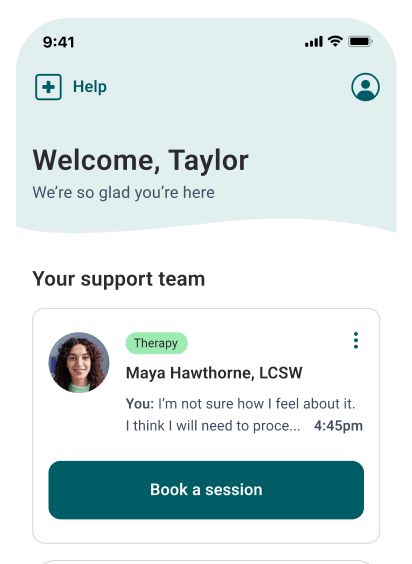
If you're looking for help with generalized anxiety disorder, Talkspace offers convenient access to licensed therapists who specialize in anxiety care for both teens and adults.
With flexible options to fit your schedule, Talkspace makes it easier to get the personalized support you need, whenever and wherever works best for you.
Take the first step toward feeling better. Connect with a licensed therapist today.
Frequently Asked Questions (FAQs)
What are the common reasons for sudden, sharp chest pain?
Sudden, sharp chest pain can occur due to a variety of factors, including anxiety, muscle strain, heartburn, or even more serious conditions like heart attacks or pulmonary issues. Stress and panic attacks are also common triggers for this type of pain.
Is that pain in your chest, heartburn or a heart attack or something else?
Chest pain can stem from heartburn, a heart attack, or even anxiety-related tension, and distinguishing between them requires careful attention to symptoms. Heartburn usually comes with a burning sensation, while a heart attack often involves crushing pain radiating to other parts of the body. Anxiety chest pain is typically sharp and localized but usually fades away.
How long does chest pain from anxiety usually last?
Chest pain from anxiety typically lasts for a short period, often less than 10 minutes, and fades as the anxiety lessens. However, it can feel more intense or prolonged during high-stress moments.
When should I worry about anxiety chest pain?
You should seek medical attention if chest pain lasts longer than a few minutes, is accompanied by symptoms like shortness of breath, dizziness, or sweating, or if you have any concerns about your heart health. While anxiety chest pain is usually harmless, it’s always best to rule out other conditions.