


Living with OCD and depression at the same time can feel like two forces pulling in opposite directions: obsessive thoughts demanding a response while a persistent low mood drains the energy needed to act. If this resonates, you're not alone.
The two conditions co-occur more frequently than you may expect. Data from the World Health Organization's World Mental Health (WMH) surveys found that 22.7% of people with OCD also experience major depressive disorder (MDD) at some point in their lives. This overlap can make daily functioning especially challenging, as the relentless cycle of obsessions and compulsions compounds the emotional weight of depression.
The Relationship Between OCD and Depression
OCD and depression are linked through overlapping genetic, neurological, and behavioral mechanisms. Each condition can increase the likelihood and intensity of the other, especially when depression, OCD, and anxiety occur together.
"OCD is a complex disorder that manifests differently from one person to the next. While it does have some aspects of anxiety, over time people can develop symptoms of depression. As the OCD behaviors deepens, people recognize how unhealthy the behaviors are and want to reduce the behavior but can't. This makes the person feel guilty over their inability to control their own actions and starts to build the level of depression. It worsens the longer the OCD behaviors continue and evolve."
- Talkspace Therapist, Minkyung Chung, MS, LMHC
Three key connections help explain this relationship:
- Shared genetic and neurobiological factors: Research in The Indian Journal of Psychological Medicine suggests that OCD and depression involve overlapping genetic vulnerabilities and similar brain pathways. Both conditions are associated with differences in serotonin regulation, a neurotransmitter that plays a role in mood, anxiety, and compulsive behaviors. Brain circuits involved in emotional regulation and habit formation may function differently in both conditions, contributing to their co-occurrence.
- Functional impairment and emotional impact: OCD symptoms such as intrusive thoughts and compulsive behaviors can interfere with daily functioning, including work, relationships, and routines. Over time, this disruption can lead to frustration, isolation, and reduced quality of life, which may increase the risk of developing depressive symptoms.
- Bidirectional influence over time: OCD and depression do not follow a fixed order. OCD can increase vulnerability to depression, while existing depression can reduce motivation and coping capacity, making OCD symptoms harder to manage. This creates a reinforcing cycle where each condition can worsen the other if left unaddressed.
Learning more about the causes of OCD can provide useful context before exploring how depression fits into the picture.
Prevalence of Co-Occurring OCD and Depression
Older studies, per Frontiers in Psychiatry, state that 60–80% of patients with OCD experience a depressive episode in their lifetime, and that at least one-third of patients with OCD have concurrent MDD at the time of evaluation.
Research in the International Journal of Psychiatry in Clinical Practice states that more than 50% of OCD patients meet lifetime criteria for major depressive disorder or dysthymia, according to an older survey. It also states that in approximately 65% of these cases, OCD preceded the onset of the MDD or they developed in the same year, and that depression can significantly worsen OCD treatment outcomes.
The recent survey from the WMH states that approximately half of individuals with lifetime OCD also qualify for at least one of the nine other lifetime DSM-IV disorders and that lifetime comorbidity is highest with mood disorders (35.0%), especially major depressive disorder (22.7%).
Remember that rates are often higher in clinical settings than in the general population, as people seeking care may have more severe symptoms. Either way, co-occurrence is frequent enough to be a standard consideration by mental health care professionals.
Why OCD Increases Depression Risk
OCD's functional weight can make depression more likely to develop or deepen over time. Four patterns help explain how.
How functional impairment affects mood
OCD is commonly associated with significant difficulties sustaining daily routines and work roles. When compulsions and obsessions consistently limit what someone can do, feelings of worthlessness and social isolation can develop and intensify alongside those limitations.
The role of perfectionism and self-criticism
Many people with OCD describe feeling driven to get things exactly right. When the standards tied to OCD feel impossible to meet consistently, repeated perceived failures can feed a cycle of self-blame that shares significant territory with depressive thinking.
Rumination patterns in both conditions
Obsessive thoughts, by their nature, keep returning. When these thoughts are negative or self-directed, they can merge with the brooding repetition that characterizes depression, creating a pattern that's harder to interrupt when both conditions are present. Further, uncontrolled rumination on negative intrusive thoughts and experiences can increase feelings of hopelessness and depression symptoms.
Finding hope through treatment
Neither OCD depression nor the combination of both puts effective care out of reach. NICE guidance outlines evidence-based treatment approaches for OCD that specifically address what changes when depression is also present, including safety monitoring during the early stages of medication initiation.
Shared and Unique Symptoms to Recognize
OCD and depression share some symptoms, but each also has distinct features. Recognizing both similarities and differences can help guide an accurate diagnosis:
When symptoms from either column persist for more than two weeks and interfere with daily functioning, it's important to reach out to help.
Treatment Options for Co-Occurring OCD and Depression
"One of the most effective treatment approaches to OCD is CBT with some level of exposure therapy. Another treatment approach is DBT and conjunction with exposure therapy. The key is introduce exposure therapy along with other approaches for the best outcome. Medication for either the depression symptoms or OCD can be incredibly helpful in managing those symptoms."
- Talkspace Therapist, Minkyung Chung, MS, LMHC
Getting care for OCD and depression together calls for a plan that addresses both conditions directly. Cognitive Behavioral Therapy (CBT) with exposure and response prevention (ERP) and SSRIs as the primary evidence-based options for OCD, with specific protocols in place when depression is also present.
Therapy first: Why ERP plus CBT matters
Cognitive behavioral therapy (CBT) combined with exposure and response prevention (ERP) is a first-line treatment for OCD. It is also effective for depression. ERP focuses on gradually exposing individuals to anxiety-prompting thoughts or situations while helping them resist compulsive behaviors.
At the same time, CBT techniques target negative thinking patterns commonly seen in depression, such as hopelessness or self-criticism. When used together, ERP and CBT create a structured approach that addresses both compulsive behaviors and mood-related symptoms within the same treatment plan.
Medication: When SSRIs pull double duty
Selective serotonin reuptake inhibitors (SSRIs) are commonly used to treat both OCD and depression. NICE guidance recommends them for OCD based on severity and prior treatment response. These medications work by increasing serotonin availability in the brain, which can help regulate mood and reduce the intensity of obsessive thoughts and compulsive behaviors.
NICE recommends continuing effective SSRI treatment for at least 12 months to support further improvement and reduce relapse risk. Since responses to medication vary, working with a licensed psychiatric prescriber is important. They can monitor progress, adjust dosage, and ensure that the treatment plan is aligned with both OCD and depression symptoms.
Combined care for comprehensive support
For many people, especially those with moderate to severe symptoms, combining therapy and medication leads to better outcomes than either approach alone. This integrated approach addresses both the behavioral patterns associated with OCD and the biological factors linked to depression. In more complex or severe cases, additional support such as higher levels of care or closer monitoring may be needed to stabilize symptoms before continuing with ongoing treatment.
Additional supports that strengthen treatment
- Behavioral activation: Encourages gradual re-engagement in meaningful activities, which can help improve mood and reduce avoidance patterns.
- Support groups: Provide connection, shared experiences, and practical coping strategies, which can reduce isolation and reinforce progress made in therapy.
Lifestyle and Self-Help Strategies as Complements
Lifestyle strategies can support recovery from OCD and depression, but they work best alongside professional care. Note that these approaches are not a substitute for therapy or medication, especially if symptoms are severe or worsening.
Here are three practical ways to build supportive daily habits:
1. Structured exercise routines
Aim for consistent, manageable movement rather than intense workouts. A short daily walk, stretching, or light exercise at the same time each day can help regulate mood and reduce stress. Start small and focus on consistency over intensity.
2. Consistent daily schedules
Creating a predictable routine for sleep, meals, and activities can help reduce uncertainty and improve emotional stability. Try setting fixed times for waking up, eating, and winding down at night to create structure throughout the day.
3. Mindfulness practices
Simple techniques like deep breathing, grounding exercises, or brief guided meditations can help you respond to intrusive thoughts without reacting to them. Even a few minutes a day can make these strategies easier to use over time.
These strategies can complement treatment by improving daily functioning and emotional regulation. If your symptoms feel overwhelming, persistent, or interfere with your safety, reaching out to a licensed mental health provider is an important next step.
Get OCD and Depression Support with Talkspace
Living with OCD and depression at the same time can be a real challenge, but the right care makes meaningful difference. Different types of OCD can respond to treatments like CBT with ERP and SSRIs, which are proven to address a range of symptoms, and working with a licensed provider helps tailor a plan to your needs.
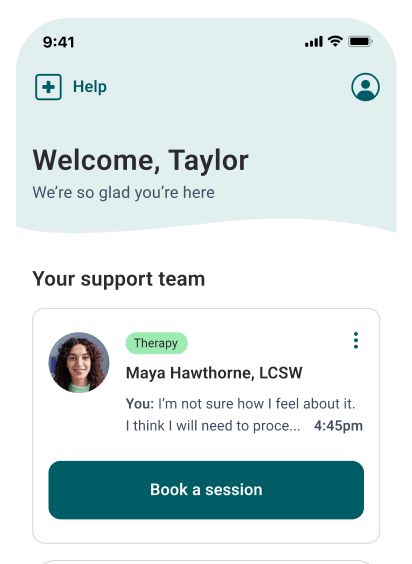
If you are exploring online OCD treatment or need coordinated support for both conditions, Talkspace connects you with experienced mental health providers who understand how OCD and depression interact. Book a session with a licensed therapist online and take the first step toward feeling better.
Frequently Asked Questions (FAQs)
Can OCD turn into depression?
OCD does not turn into depression, but the two conditions often occur together.
The challenges of managing OCD symptoms over time can increase emotional strain, which may contribute to depression developing alongside it.
Does medication treat OCD and depression at once?
Certain medications, including SSRIs, are commonly used to treat both OCD and depression. A licensed psychiatric provider can evaluate your symptoms and determine whether medication is appropriate while monitoring your response over time.
Will ERP make my mood worse before it improves?
ERP can feel uncomfortable at first because it involves gradually facing things causing you anxiety.
With guidance from a trained therapist, most individuals adjust to the process and begin to see improvement in both OCD symptoms and overall mood.
Is online therapy effective for OCD and depression?
Yes, online therapy can be effective for both OCD and depression, particularly when it involves evidence-based approaches like cognitive-behavioral therapy (CBT). Guided digital programs and virtual sessions can reduce symptoms, increase accessibility, and provide flexible support for those who may face barriers to in-person treatment.
How do I know when to seek urgent help for OCD and depression?
You should seek urgent help if you experience thoughts of self-harm, suicidal ideation, or feel unable to care for yourself safely. Additionally, sudden worsening of symptoms, severe anxiety, or an inability to function in daily life are signs to contact a mental health professional immediately.
Talkspace articles are written by experienced mental health-wellness contributors; they are grounded in scientific research and evidence-based practices. Articles are extensively reviewed by our team of clinical experts (therapists and psychiatrists of various specialties) to ensure content is accurate and on par with current industry standards.
Our goal at Talkspace is to provide the most up-to-date, valuable, and objective information on mental health-related topics in order to help readers make informed decisions. Articles contain trusted third-party sources that are either directly linked to in the text or listed at the bottom to take readers directly to the source.