Depression can make even the smallest daily tasks feel exhausting. If someone you care about is living with depression, you may wonder how to help without saying the wrong thing or overwhelming them. Learning how to help someone with depression starts with understanding that support does not mean fixing everything for them.
Sometimes, listening, showing up consistently, and encouraging professional help for depression can make a meaningful difference. With patience, compassion, and the right resources, you can support a loved one while also protecting your own mental health.
What are the Key Signs of Depression?
Knowing how to help someone with depression starts with understanding the signs. Sometimes it can be difficult to spot depression in others, even if it’s someone you’re very close to. Everyone expresses depression uniquely, which can often make it challenging to see symptoms at first. It can also be difficult for people with depression to open up about their experiences or actually show their symptoms.
Depression symptoms can also vary depending on the condition and severity. Learning about the different types of depression may help you better understand what your loved one is experiencing.
If you’re unsure if someone in your life is dealing with depression, there are several things you can watch for to get a better idea. Some warning signs to be aware of include:
- Speaking about death or suicide
- Eating or sleeping too much or too little
- Having a hopeless or negative thought pattern
- No longer enjoying activities that previously brought joy
- Expressing feelings of worthlessness, guilt, or shame
- Avoiding others, especially friends
- Change in eating habits (eating too much or not enough/or at all)
To make this condition even more confusing, there may not be any obvious outward signs of depression at times. However, if you still feel like something is off and you’re worried that your loved one might be depressed, ask them how they’re feeling right away. Even if they’re not depressed, they’ll likely be glad you care enough to check in. If they are depressed, talking about it can be a first step to getting better support and healing.
"Depression is much more than feeling sad or down, and while life might appear stable and intact, it’s important to remember that depression can look as individual as the person themself. When in doubt, inquire about a person’s wellbeing. It can very well offer an opportunity for support and set the stage for ongoing support."
Talkspace Therapist, Elizabeth Keohan, LCSW-C, MSW
How Can I Speak to a Loved One About Their Feelings?
Opening a conversation about depression requires sensitivity and genuine care. The more you understand depression, the better equipped you'll be to help others deal with its symptoms.
Start by choosing a private, comfortable setting where they feel safe. Use "I" statements to express your concern without making accusations. Simple phrases like "I've noticed you seem withdrawn lately" or "I'm worried about you" open dialogue without judgment.
What helps:
Keep the following in mind during conversations:
- Express how important they are to you
- Be fully present during conversations
- Offer positive reinforcement
- Check in with them often
"We often fear that bringing up something delicate might make it worse, but simply asking how someone feels can be an invitation to opening up and feeling heard. From the start, knowing that someone is willing to listen feels better than feeling judged. Being an authentic presence can lend invaluable support rather than unthoughtful advice."
Talkspace Therapist, Elizabeth Keohan, LCSW-C, MSW
Which Small Acts of Support Make Daily Life Easier?
Depression can make even small things feel difficult to accomplish. You can make a big difference in someone's day by offering help with those little things they may be struggling with. Depression can also make it difficult to stay productive or keep up with routines. Manageable goals and encouragement may help someone gradually maintain motivation while depressed without feeling overwhelmed.
Practical ways to offer support:
- Take out the trash or do the dishes
- Pick up groceries or prepare a simple meal
- Handle an overdue bill or administrative task
- Walk or feed their pet
- Give them a ride to an appointment
- Drop off their prescriptions
- Help with laundry or basic tidying
- Send a supportive text message
Offer specific help rather than saying "let me know if you need anything." Instead, say, "I'm going to the store on Tuesday. What can I pick up for you?" Also, respect their autonomy by asking before taking over tasks. Some days, they may want to maintain normalcy by doing things themselves. Your helping actions free up mental energy they desperately need to process their condition, even if they can't express gratitude in the moment.
Even though they may not be able to express their gratitude in the moment, they'll notice what you're doing, and they'll appreciate it. What you're really doing is honestly a lot more than just helping with common chores. You're allowing someone the extra time they may desperately need to navigate their condition.
Why Should We Take Every Symptom of Depression Seriously?
Depression is a serious but treatable mental health condition. It has a wide range of symptoms and severity. Mild depression symptoms can include:
- Sadness
- Anger
- Fatigue
- Irritability
- General depressed mood
- Crying/ Quick to tears
All of these are common symptoms of depression that can last for weeks or longer. Major depression symptoms can be far more severe and long-lasting.
Even with the best intentions, you can’t simply “snap” somebody out of depression. Going out for a fun dinner and a movie will not cure their condition. Above all, don’t make light of the situation, because depression is serious. It won’t help — and can actually do great harm — to simply say something like, “Cheer up. Life isn’t that bad!”
Remember these key points:
- Minimizing depression can make someone feel isolated or misunderstood.
- Depression is not laziness or a personal weakness.
- Taking symptoms seriously may encourage someone to seek help for depression.
Understanding how to help someone with depression means recognizing that emotional support is important, but professional treatment may also be necessary.
How Can Professional Treatment Options Help With Depression?
There are many opportunities to help someone with depression. Your support can reinforce that depression is serious but treatable and that there is hope for recovery.
Professional treatment options may include:
- Talk therapy
- Online therapy for depression
- Take a depression test
- Support groups
- Prescription mental health medication
- Lifestyle changes that support emotional well-being
Psychotherapy, or “talk therapy,” is effective for helping people recognize and manage depressive symptoms. Support groups may also help people feel less alone by connecting them with others who understand what they’re experiencing. Online depression tests can also give great insight into the symptoms of depression someone might be experiencing. A depression test can help clarify the need for treatment. The test is fast, easy, and free.
For some people, prescription mental health medication may help reduce symptoms. Depression medication often works best when combined with therapy and ongoing support. Resources like the National Institute of Mental Health (NIMH), the American Psychological Association (APA), and the National Alliance on Mental Illness (NAMI) can help people better understand treatment options and find support.
When is it Time to Act on Suicide Warning Signs?
When you're learning how to help someone with depression, it's important to understand that being ready and willing to help might end up meaning you need to take action in an emergency. Severe depression can lead to thoughts of suicide and the desire to end the suffering.
Red-flag behaviors and phrases requiring immediate attention:
- Talking about death, dying, or suicide
- Expressing feeling like a burden to others
- Saying goodbye or giving away possessions
- Sudden mood improvement after prolonged depression (may indicate a plan)
- Researching methods or obtaining means to commit suicide
- Increased substance use
- Withdrawing completely from all social contact
- Statements like "I can't go on" or "everyone would be better off without me."
If you’re concerned someone may be experiencing thoughts of suicide, ask directly and calmly. Asking about suicide does not increase risk and may help someone feel less alone.
- Take all mentions of suicide seriously.
- Stay with the person if you believe they are in immediate danger.
- Call (Suicide and Crisis Lifeline) in the US, or 911 for immediate emergency response. International hotlines are available through the International Association for Suicide Prevention.
- SAMHSA's National Helpline (1-800-662-4357) is available every day of the year, 24 hours a day. It's a treatment referral service and resource center for depression and other mental health conditions. Assistance is available in English and Spanish.
"It can feel helpless when the gravity of depression takes hold while an unrelenting low mood prevents access to someone you care about. If you can identify or acknowledge feelings of hopelessness, intent or access to means for suicide, and an expression of feeling like a burden to others, speak up. Tell your loved one you care, ask them directly if they are feeling suicidal, keep them safe, and connect them to support. Planning for safety can change the clinical course for the better and can present a much needed opportunity for healing."
Talkspace Therapist, Elizabeth Keohan, LCSW-C, MSW
How Do I Protect My Own Mental Health While Caring for Others?
It's essential that you don't get lost in the process when you're helping someone with depression. Navigating a relationship with a person living with depression will be challenging. You have to take care of yourself if you want to help others.
Signs of caregiver burnout can include:
- Persistent exhaustion
- Irritability or resentment
- Feeling emotionally overwhelmed
- Neglecting your own needs
- Difficulty sleeping or relaxing
Follow these steps to protect your own mental health:
- Set clear boundaries about what you can realistically offer. You can care deeply while still protecting your energy and time.
- Build your own support network. Talk to friends, family, or a therapist about the challenges you're facing as a caregiver.
- Schedule regular self-care activities that restore you, whether that's exercise, creative pursuits, time in nature, or simply rest.
- Consider therapy for yourself. Many caregivers benefit from professional support to process their experiences and develop coping strategies.
"Help exists not solely for those who are suffering, but also for those who endure depression vicariously. It can be hard to travel alongside anyone who's coping with clinical depression, making it just as important to get your own support as a caretaker. Normalizing the expression of hardship and the burden of emotional challenges can free up the mental space needed to be present for your loved one who's deeply hurting. Connect with a therapist or another professional to get the support you need."
Talkspace Therapist, .Elizabeth Keohan, LCSW-C, MSW
Is Talkspace the Right Online Therapy Option to Help With Depression?
Depression can make people feel isolated, overwhelmed, and unsure where to turn, but support and treatment are available. Learning how to help someone with depression starts with listening, showing compassion, and encouraging them to seek care when they’re ready. Even small acts of support can help someone feel less alone during difficult moments.
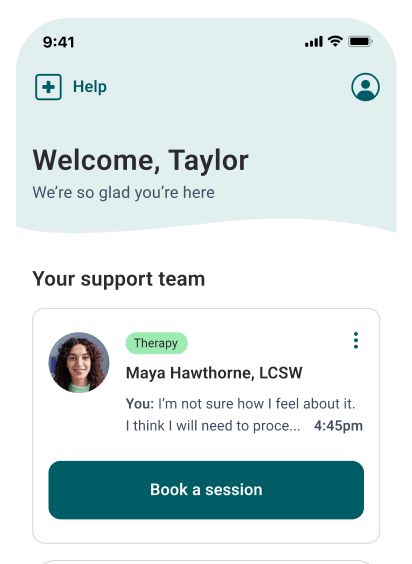
If you or someone you care about is looking for help for depression, connecting with a licensed therapist through Talkspace online therapy can make support feel more accessible and manageable. With the right care and encouragement, recovery is possible.
Frequently Asked Questions (FAQs)
Can I cure depression by myself?
Depression is a clinical condition requiring professional treatment. While self-care practices like exercise, sleep hygiene, and social connection support recovery, they don't replace therapy or medication when clinically indicated. Most people need guidance from a licensed healthcare provider.
How do I convince someone to seek therapy for depression?
You can’t force someone into therapy, but you can encourage it by showing empathy, listening without judgment, and clearly expressing concern about their well-being. Gently suggest therapy as a helpful support option, offer to assist with finding a provider or attending the first session, and reassure them that seeking help is a positive and normal step.
What should I avoid saying to a person living with depression?
Avoid phrases that minimize their experience, like "just think positive" or "snap out of it." Don't compare their struggles to others or suggest depression results from personal weakness. Instead, validate their feelings and offer practical support without trying to fix them.
How long does treatment for depression usually take?
Treatment duration varies significantly based on depression severity and individual response. Some people notice improvement within 4 to 6 weeks of starting therapy or medication. Moderate depression often requires several months of consistent treatment, while chronic depression may need longer-term support.
Is online therapy for depression as effective as in-person?
Online therapy produces comparable outcomes to traditional face-to-face sessions for depression and anxiety. The convenience and accessibility of platforms like Talkspace often improve treatment adherence, which directly impacts success rates. Licensed therapists provide the same evidence-based approaches regardless of format.